
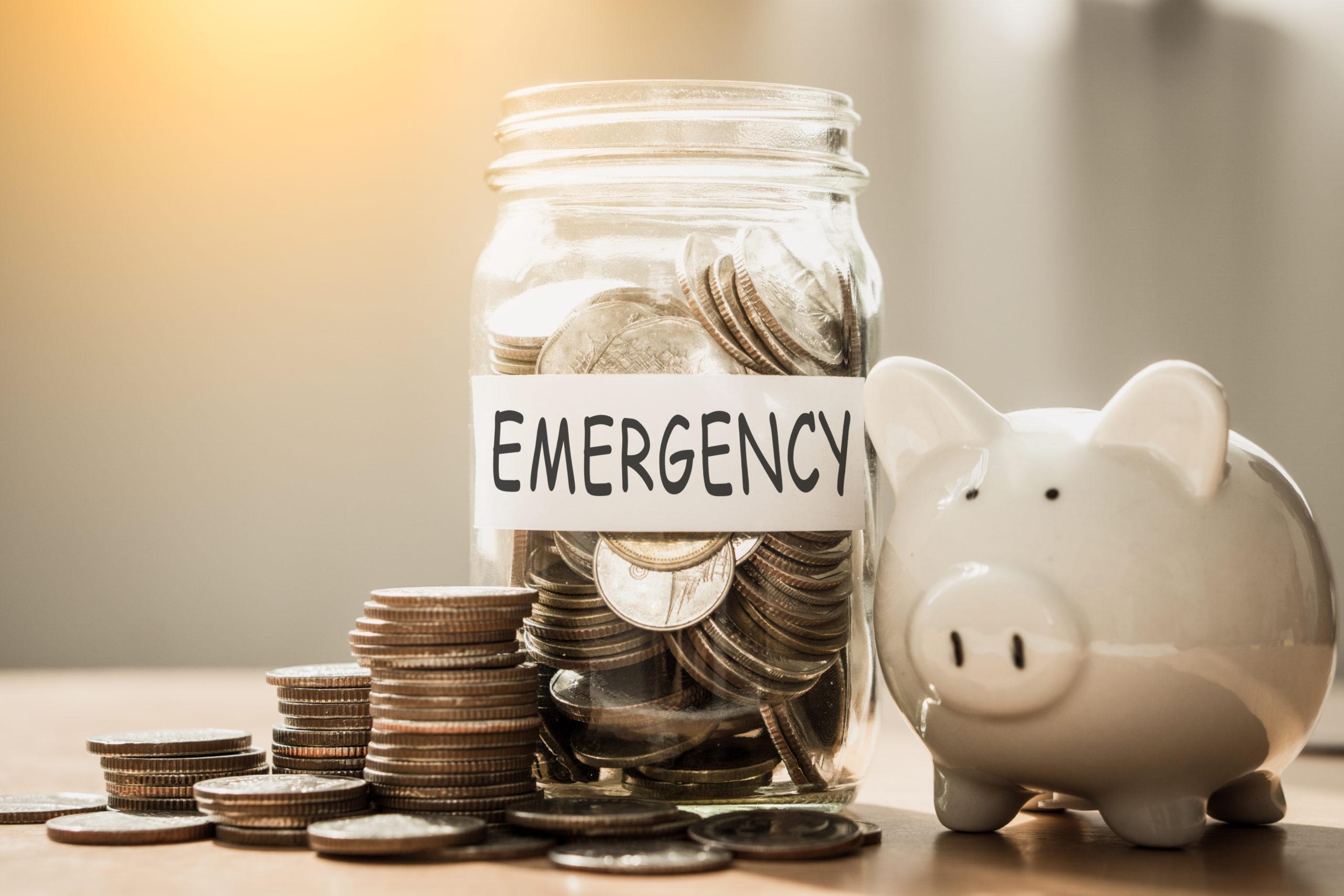
An emergency fund is money you set aside to handle life when something breaks or goes wrong. You lose your job, your car starter dies, or your roof leaks during a storm. Having cash ready turns a huge scary panic into a simple task you pay for and forget.
Most regular people need between three and six months of basic living costs saved in a safe bank account. If your bills cost $2,500 every month, your goal is between $7,500 and $15,000. You do not need to save that big number today. You start with just $500, and you build it step by step from your monthly paycheck.
How Much Emergency Money Do You Really Need?
Your magic number depends on your life and your monthly job situation. Do you have a steady paycheck, or does your pay jump up and down? Do you rent an apartment, or do you own an old house that needs fixed often?
Start by writing down your must-pay bills for one month. Do not include eating out, movie tickets, or new clothes. Only count the bills that keep a roof over your head and food on your table. Add up these basic costs:
- Rent or house mortgage payments
- Groceries and simple home food
- Power, water, gas, and trash bills
- Car payments, gas, and basic insurance
- Required doctor visits and medicine
- Minimum debt payments
Let us look at a real example. Sarah works as an office assistant making $3,200 a month after tax. Her rent is $1,100, her food costs $400, her utilities cost $200, her car costs $350, and her minimum debt is $150. Her basic living cost is $2,200 each month.
If Sarah wants a three-month safety net, her full total is $6,600. If she wants a six-month safety net, her total is $13,200. Seeing those big numbers can feel heavy. But Sarah does not need to jump to $6,600 overnight. Her first real goal is just $1,000. That small amount stops most small problems from going onto a credit card.

Where to Keep Your Cash So It Is Safe
Keep your rainy-day money in a high-yield savings account. Do not put it in stocks, do not buy crypto, and do not buy land with it. You need this cash to stay safe, not to make you rich. Wall Street can drop thirty percent right when your car engine breaks.
A separate online bank account is usually the best place for this money. It keeps your stash out of sight so you do not spend it on weekend fun. Online banks often pay four or five percent interest today. On a $5,000 balance, that brings you about $200 in free money every year just for letting it sit.
You can read more about standard emergency fund choices to see how banks keep this cash safe. Make sure your account is backed by the government so you never lose a single penny. You want to be able to move the money to your main checking account in one or two days when trouble hits.
Five Simple Steps to Build Your Fund Fast
Building a cash shield takes time, but small steps make it happen without ruining your month. You do not have to live on rice and beans forever to make real progress.
Step 1: Start With a Tiny Target
Do not fixate on the full six-month number yet. Set your first target at $500. This covers a dead car battery, an urgent visit to the vet, or a broken phone screen. Getting to $500 quickly gives you confidence. It proves to your brain that you can save real money.
Step 2: Automate Your Savings on Payday
The best way to save is to hide the cash from yourself before you can touch it. Set up an automatic transfer at your bank for the exact day your salary arrives. If you get paid on the first of the month, move $50 to your savings on the first of the month.
If you wait to save whatever cash is left over on day thirty, there will be nothing left. You will spend it on small things without noticing. Treat your cash shield like a bill you have to pay.
Step 3: Trim Small Habits for Quick Cash
You do not need to cut out everything you enjoy. But cutting two small items can free up $100 every month. Maybe you cancel two streaming apps you barely watch. Maybe you make coffee at home four days a week instead of buying it on your drive to work.
If you cut out impulse buys at the store, that money builds up fast too. Check out this guide on how to stop impulse buying and keep your money to find extra cash hiding in your spending habits.
Step 4: Save Your Extra Money Drops
Whenever extra cash lands in your lap, give a piece of it to your cash shield. Use tax refunds, work bonuses, or cash gifts from family. Selling old items from your closet or garage can also yield a fast $200.
If you get a tax refund of $1,200, put $800 straight into your savings account. Use the other $400 to treat yourself or pay down a bill. That single move puts you way ahead without hurting your normal daily cash flow.
Step 5: Increase Your Savings Rate Slowly
Start with saving $25 from each check. Once that feels easy after two months, push it up to $50. Next season, move it to $75. You slowly teach yourself to live on slightly less without feeling a big shock to your lifestyle.
When Should You Actually Use This Money?
Knowing when to spend your savings is just as vital as building it. This money is not for holidays, birthday presents, or a deal on a new television. Spending it on fun things leaves you open to real trouble later.
Before you take out a single dollar, run your problem through three hard questions:
- Is this event unexpected?
- Is this event necessary for life or work?
- Is this event urgent and unable to wait?
If you answer yes to all three questions, use the cash without feeling bad. That is why you built the account in the first place. Fixing your car so you can drive to your job is a clear emergency. Buying concert tickets before they sell out is not an emergency.
If you lose your job, this cash buys you time. It keeps you calm so you can find a good new job instead of taking the first bad offer out of fear. It protects your standard personal finance health when hard times strike.
What to Do After You Spend Your Cash
Life will happen eventually. You will have a bad month where your air conditioner breaks down in July and costs $800 to fix. You pull the money out of your account, and your balance drops down.
Do not beat yourself up or feel like a failure when this happens. You used the tool for its real job. You won the round because you paid cash instead of going into high-interest credit card debt.
Once the storm passes, reset your system. Pause extra spending, lower your transfers to other non-essential goals, and focus on rebuilding your safety net back to your target level. Learning to adjust your smart money management plan helps you bounce back fast every time life hits a bump.
Start Building Your Cash Safety Net Today
Building a full cushion of cash takes time, often a year or two for regular salary earners. Do not let the full target scare you into doing nothing. A partial safety net of $300 is far better than having zero dollars when trouble comes.
Log into your bank website tonight. Open a simple savings account if you do not have one yet. Set up an automatic transfer for $20 from your next check. You have officially started protecting your future self, and that is a great feeling.


0 Comments