

An emergency fund is money you set aside only for unexpected life events, like a job loss or a big car fix. Right now, nearly half of all workers could not cover a single 400 dollar sudden expense with cash. That means one broken pipe or one bad day at the shop puts them straight into debt.
The math is simple. You need three to six months of basic living costs saved in a safe place. If you bring home 2,500 dollars a month, your ultimate goal is between 4,500 dollars and 9,000 dollars in a plain savings account. You do not need to hit that big number overnight, but starting with just 500 dollars changes everything.
What counts as a real emergency?
Money in this account has one job. It keeps you safe when bad things happen. A new pair of shoes on sale is not a crisis. A weekend trip with friends is not a crisis. Buying cheap crypto coins is definitely not a crisis, even if your friends talk about Stablecoins Explained Simply for Crypto Beginners late at night.
Real life problems break into four basic groups. Here is what you use this money for:
- You lose your main job or your work cuts your hours down.
- You get sick or hurt and face unexpected doctor bills.
- Your main car breaks down and you need it to drive to work.
- Your home needs a urgent fix, like a broken heater in winter.
Last year, my friend Mark had his work truck transmission die on a Tuesday. The repair shop asked for 1,200 dollars right away. Mark had no money saved up. He put the whole bill on a high interest credit card. A year later, he is still paying for that repair because interest keeps piling on. A simple cushion stops that cycle completely.
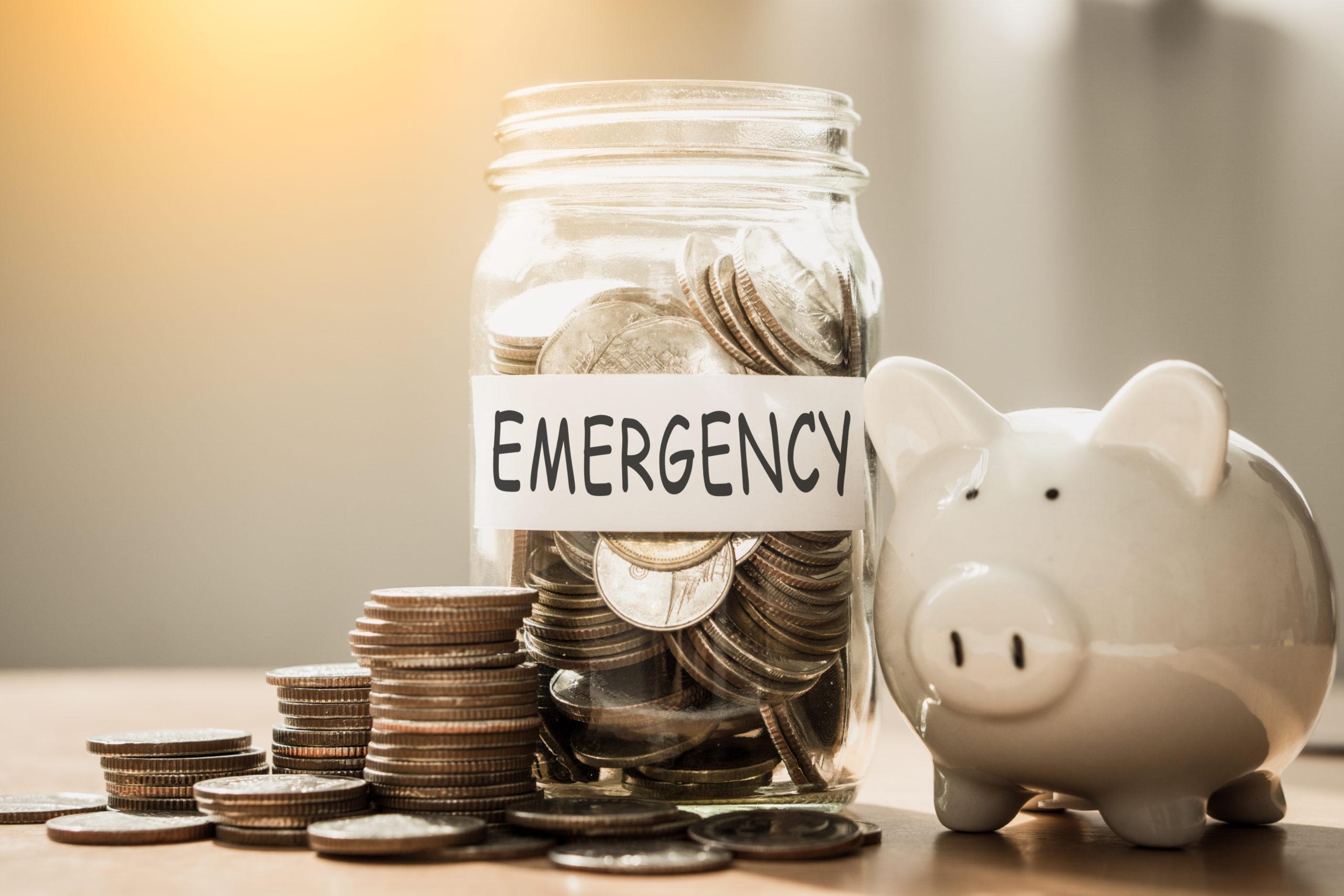
How much emergency fund money do you really need?
You might see experts on television tell you to save 20,000 dollars before you do anything else. That feels impossible when your paycheck is already tight. Let us break down real numbers based on your actual monthly bills.
First, look at your absolute must-have costs. This is not what you spend on takeaways or streaming services. This is your core budget for surviving. Add up your rent or mortgage, basic food, utilities, car payment, gas, and basic insurance.
Let us say your total monthly bills look like this:
- Rent and water: 1,000 dollars
- Basic groceries: 350 dollars
- Electric and heat: 150 dollars
- Car cost and gas: 300 dollars
- Minimum debt payments: 200 dollars
That totals 2,000 dollars every month. A starter goal is just one month of this cost, or 2,000 dollars. A full three-month cushion comes out to 6,000 dollars. Six months sits at 12,000 dollars. If your job is stable and you work for a big company, three months of cover is usually fine. If you work for yourself or earn sales commission, aim for six months because your pay jumps around.
How to build your fund when cash is tight
You cannot save 6,000 dollars in a single month on a regular wage. Trying to do that will make you feel defeated. You need a simple ladder of smaller goals instead.
Start with a target of 500 dollars. That small balance covers 80 percent of everyday surprises, like a dead car battery or a quick visit to urgent care. Here is a clear step by step path to build it:
First, open a separate bank account. Do not leave your savings inside your main checking account. If you keep it there, you will spend it on groceries or gas without thinking. Pick a high yield savings account at a different bank. Make sure it has no monthly fees and comes with zero debit cards attached.
Second, set up automatic transfers on your payday. If you get paid every two weeks, have your bank move 25 dollars into savings the exact morning your check arrives. You will barely feel 25 dollars missing from your wallet. In one single year, that low automated transfer builds over 600 dollars all by itself.
Third, send all surprise money to this new account. Work bonuses, tax returns, or cash from selling old items online should go straight into your cushion. If you get a 500 dollar tax refund this spring, drop the whole thing in. Just like that, your baseline security goal is complete.
Where to keep your money so it stays safe
Your emergency fund is not an investment. You are not trying to double this money or beat the stock market. The main goal here is safety and quick access. You want to know the cash will be there when you wake up tomorrow morning.
An official emergency fund belongs in a plain savings account backed by government insurance. Look for accounts with clear terms and solid interest rates. You want to be able to transfer the cash back to your checking account in one or two business days if trouble strikes.
Never put this cash into stocks, gold, house deals, or crypto assets. The stock market can drop 20 percent in a single week. Imagine losing your job on Monday and waking up Tuesday to find your savings dropped by thousands of dollars. Keep your safety net boring on purpose. If you want more tips on handling your everyday pay, check out our guide on smart money choices for normal salaries.
How to rebuild after you spend the cash
At some point, life will hit you and you will need to spend the money. That is completely normal. That is why you built the cushion in the first place. When you pull out 800 dollars to fix your car engine, do not feel bad about doing it. Be proud that you paid for a big problem without borrowing cash from relatives or charging a credit card.
Once the crisis passes, pause your non-essential spending for a few weeks. Switch your automatic bank transfers back on or bump them up slightly until the account balance gets back to your target level.
Building real financial peace takes time. Take a look at your bank account today, set up a 20 dollar transfer for this coming Friday, and give yourself room to grow. What is one small expense you can cut this week to put your first 50 dollars into savings?


0 Comments